
Communal Support Is the Real Wealth: Here's how to build it
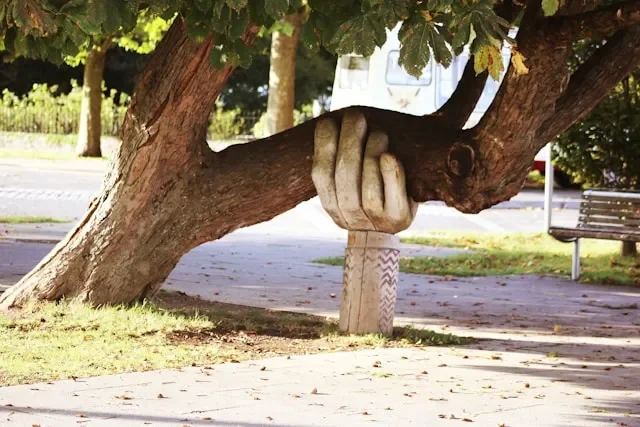
As the year comes to a close, I’ve been reflecting on a trend I believe will only keep accelerating in 2026.
As AI continues to automate work and increasingly influence how we make decisions, one human skill is becoming more valuable than ever:
The ability to find real, nonjudgmental communal support.
Yesterday, I picked up an old friend from the airport and he was asking me what my boyfriend was like. I was bragging about how he can fish and build a house with his hands, and basically exudes full-on survivor energy. I joked (very self-deprecatingly) that if there were an apocalypse, I wouldn’t last very long because my greatest asset is “content marketing.”
He stopped me and said, “I think you’re more resourceful than you realize.”
After pausing for a second I realized maybe he was right.
One of my greatest assets is my ability to find and nurture communal support. That’s become especially clear since I decided to move to Nicaragua entirely on my own, once again navigating a foreign country in a non-native language. I’ve been incredibly lucky to have found supportive community here adding to the global support network I already have — and I’ve felt the very real benefits of it.
How Support Circles Have Helped me in 2025
Online
Recently, I joined an online Family Estrangement Support Group, where people with little or no contact with family members meet virtually to share what’s on their hearts. The groups are led by therapists, and the membership ($135 for six months — less than the cost of a single therapy session) includes access to a group chat so we can stay connected outside of meetings. I’ve only attended a few sessions so far, but hearing others’ stories has already been deeply healing.
Offline
Locally, I helped spearhead a women’s circle, which has been instrumental in helping me feel settled and at home here. We meet weekly, and each woman gets as much time as she needs to share. The rest of the group simply listens. Feedback is only offered if it’s explicitly requested. It’s a beautiful container — a space to be seen, supported, and energetically held — and that support doesn’t end when the meeting does.
The other day, I hitched a ride to Rivas (the nearest “big city”) with a friend from the circle so I could do some shopping. She has two little ones, and during the drive her six-year-old asked if she could call me auntie. Her mom had recently explained the idea of “chosen aunties,” and her daughter decided I was one.
Given some challenges I’ve had with my own family this past year, that moment completely melted my heart and reminded me that belonging doesn’t always come from where we expect.
“True belonging doesn’t require us to change who we are; it requires us to be who we are.” - Brené Brown
How Support Circles Have Helped Others
I’ve also seen friends benefit enormously this year from communities like CODA (Co-Dependents Anonymous) and SLAA (Sex and Love Addicts Anonymous).
One friend is currently building a coaching business for women who “have it all” on paper — the career, the relationship, the lifestyle — yet still feel an unnameable void. I’ve been helping her refine her branding, and have been urging her to focus on creating a container where these women can be witnessed in their imperfections and simultaneously release their shame. How nice does that sound?
“If you want to go fast, go alone. If you want to go far, go together.“
So many of us crave communal support, but when it comes time to actually nurturing it, we hesitate. We want the belonging without the trust-building. But trust takes time and intention.
If you’re feeling the pull toward more communal support in 2026, here are a few guiding principles:
1. Be consistent
Attend group meetings regularly. Treat it like a therapy appointment and protect the time on your calendar. Yes, curling up with a blanket and scrolling on your phone while streaming Netflix after a long day sounds enticing, but it’s not going to nourish your soul.
2. Show vulnerability
You’ll get out of it what you put into it. When you share honestly, you create a portal for real connection to transpire. There is definitely power in just listening, but the deeper magic happens when you are witnessed in your messiness. Don’t be afraid to show your messy parts.
3. Organize around a shared value
If you can’t find a support group that already exists, consider starting your own — a book club, a hobby group, or a support circle. Gather people around a shared value or curiosity.
4. Contribute
Bring a snack. Arrive early to make tea or cacao. Offer to pick up or drop off others in the group. Small gestures like this build trust quickly. Once you get to know members of the support group, exchange contact details and check in on them when you know they are facing a big challenge.
So if there were an apocalypse, I might not be able to build shelter from sticks — but I’d definitely be able to befriend someone who could. Or, at the very least, I’m confident I’d be able to gather other survivors so we could share our struggles, shed a few tears, and laugh at the mystery of life as it continues to unfold in our favor.